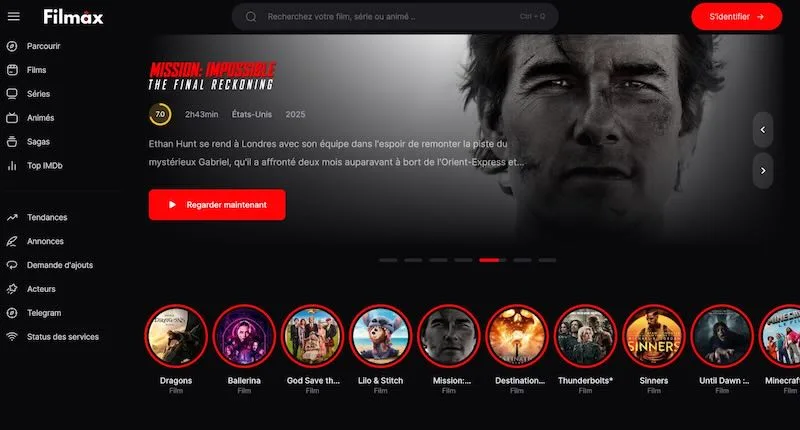
The Elusive "Purestream Wiki Officiel": Navigating Cyber Threats & Finding Legal Streams
Many users searching for "Purestream Wiki Officiel" are often seeking a definitive, official source of information about a streaming platform that has gained notoriety under various names, including Filmax and now Purstream. However, the very nature of this platform, which has been consistently targeted by legal authorities and internet service providers (ISPs), means that a truly "official wiki" in the traditional sense is a contradiction. Instead, what you'll find are discussions, warnings, and unfortunately, a multitude of dangerous clones. This article aims to demystify Purstream, expose the significant cybersecurity risks associated with its unofficial copies, and guide you towards safe, legal, and high-quality streaming alternatives.
Purstream, and its predecessors like Filmax, rose to popularity by promising a tantalizing offering: a vast, ad-free library of films and series in Ultra High Definition (UHD), accessible without mandatory registration and with a user-friendly interface. This immediate gratification, coupled with the allure of "free" content, naturally attracted a massive user base. The catch? This extensive catalog was, and remains, distributed without the necessary exploitation rights, placing it firmly in the realm of illegal content piracy. This fundamental flaw is the root cause of its continuous struggle with legal enforcement and its persistent cycle of blockages and re-emergences.
Why Purstream (and Its Predecessors) Face Constant Blocking
If you've ever tried to access Purstream and encountered error messages like "Address not found," "Connection timed out," or a generic server error (500/522), rest assured, your internet connection is likely not the problem. These disruptions are the direct result of concerted efforts by judicial authorities and regulatory bodies, such as France's ARCOM (Autorité de régulation de la communication audiovisuelle et numérique), which issue blocking orders to French ISPs. These legal directives mandate that internet providers prevent their users from accessing sites that illegally distribute copyrighted content.
In a perpetual game of "cat and mouse" with the authorities, Purstream, much like other well-known illicit streaming sites, frequently attempts to circumvent these blocks by changing its domain name extension. You might have seen it pop up with various suffixes like .co, .red, or others. While this strategy offers a temporary reprieve, it's rarely effective for long. New addresses are swiftly identified, de-indexed from major search engines like Google, and subsequently blocked by ISPs in record time. This ongoing battle highlights the futility of trying to operate outside the legal framework and underscores the significant resources dedicated to protecting intellectual property rights in the entertainment industry.
To delve deeper into the reasons behind these persistent blockages and the enduring appeal of such platforms despite their legal troubles, you might find our related article, Why Purstream (ex-Filmax) Is Blocked & Its Enduring Appeal, particularly insightful.
Navigating the Digital Minefield: The Perils of Purstream Clones
The constant blocking of official Purstream addresses creates a dangerous vacuum that cybercriminals are quick to exploit. As soon as a legitimate Purstream domain disappears, dozens, sometimes hundreds, of fake copies or "clones" emerge on the web. These imitation sites cunningly usurp the visual design and branding of Purstream, making it incredibly difficult for an unsuspecting user to distinguish them from the "real" (though still illegal) thing. Visiting these clones represents a severe threat to your online security and can lead to a multitude of cyberattacks:
- Phishing Scams: Many imitation sites are designed to trick you into revealing sensitive personal and financial information. You might be prompted to enter your banking details for seemingly innocuous reasons, such as "age verification" or to "open a free account." In reality, these are sophisticated phishing attempts aimed at siphoning funds directly from your credit card or stealing your identity. Always be suspicious of any site demanding payment or extensive personal details for free streaming services.
- Malware and Bogus Updates: A common tactic employed by these rogue sites involves deceptive pop-up windows. When you click on a video player, a fake alert might appear, urging you to download a "new video codec" or "update your media player." These files are almost invariably malicious software (malware), designed to infiltrate your computer. This could range from spyware that monitors your activities to ransomware that locks your files until a payment is made, or even trojans that grant remote access to your system.
- Silent Cryptojacking: A more insidious threat, cryptojacking, often goes unnoticed by the user. Numerous fake streaming sites secretly exploit your device's processing power to mine cryptocurrency for the benefit of the pirates. While you watch (or attempt to watch) content, your computer, tablet, or smartphone will be working overtime, leading to significantly slowed navigation, excessive battery drain, and even overheating, all without your explicit consent or knowledge.
Recognizing the warning signs of these dangerous clones is crucial. Look for unusual URLs, an excessive number of aggressive pop-up ads, requests for unusual permissions, or a general feeling that something is "off" with the site's behavior. For more detailed information on identifying and avoiding these dangerous imitations, refer to our article: Purstream April 2026: Official Address or Dangerous Clone?
Beyond the Shadows: Secure and Legal Alternatives for Streaming
The good news is that you don't have to risk your digital security or compromise your ethics to enjoy a vast array of movies and TV shows. The streaming landscape has evolved dramatically, offering numerous legal, safe, and often affordable alternatives that provide a superior viewing experience. These platforms not only guarantee your online safety but also support the creators and industries that bring us the entertainment we love.
Subscription-Based Streaming Services
These are the most popular and comprehensive options, offering unparalleled libraries and high-quality streaming:
- Netflix, Disney+, Amazon Prime Video, HBO Max, Hulu: These giants of the streaming world provide immense catalogs spanning genres, often with exclusive original content. They offer different subscription tiers, allowing you to choose based on your budget and viewing habits. The quality is consistently high, and many offer 4K UHD and HDR content.
- Specialized Services: Beyond the mainstream, services like Crunchyroll (anime), Shudder (horror), Mubi (arthouse cinema), and BritBox (British TV) cater to niche interests, offering curated collections that are often unavailable elsewhere.
Free (Ad-Supported) Legal Streaming Platforms
If you're looking for free options, several legitimate services offer content supported by advertisements, similar to traditional television:
- Pluto TV, Tubi, IMDb TV (Amazon Freevee): These platforms provide a surprisingly robust selection of movies and TV shows, often including classic films, popular series, and even live channels. The trade-off is intermittent commercial breaks, but the content is entirely legal and safe.
- Peacock (Free Tier): NBCUniversal's streaming service offers a free tier with access to a selection of movies, shows, and live news, with ads.
Public Library & Rental/Purchase Options
- Library Streaming Services (e.g., Hoopla, Kanopy): Many public libraries now offer digital services where cardholders can borrow movies, TV shows, and documentaries to stream for free. It’s a fantastic, often overlooked resource.
- Digital Rental/Purchase (e.g., Apple TV, Google Play Movies & TV, YouTube Movies, Vudu): For new releases or specific titles you want to own or watch on demand, these services allow you to rent or purchase content digitally. This gives you instant access without a subscription commitment.
By opting for these legal avenues, you're not just protecting your device and data; you're also ensuring a reliable, high-quality viewing experience, supporting content creators, and contributing to a healthier entertainment ecosystem. Tools like JustWatch or Reelgood can help you discover which streaming service hosts your desired movie or show, making the choice even easier.
Conclusion
The allure of "free" content from platforms like Purstream is understandable, but the search for an "Purestream Wiki Officiel" reveals a stark reality: there is no legitimate, official presence for a service operating outside copyright law. The continuous cycle of blockages and the proliferation of dangerous clones pose severe cyber threats, including phishing, malware, and cryptojacking, which can have devastating consequences for your personal data and financial security. The digital landscape offers a wealth of secure, legal, and high-quality streaming options, from expansive subscription services to legitimate ad-supported platforms and even your local library. By choosing these legitimate alternatives, you can enjoy your favorite movies and shows without fear, support the creative industries, and safeguard your online experience from the significant dangers lurking in the shadows of illicit streaming.